


Being a new parent is an incredibly magical experience, but let's be absolutely honest, it is also profoundly exhausting. Overnight, you are thrust into a world where uninterrupted rest is the ultimate luxury, and understanding your little one's sleep patterns can feel like trying to decipher an ancient, constantly changing code. But take a deep breath; you are not alone in this journey!
In this comprehensive guide, we are going to dive deep into the fascinating science of infant sleep, share expert baby sleep tips, and explore how incorporating the right organic products can transform your nights. Whether you are actively trying to establish solid newborn sleep routines or navigating the notoriously tricky transition from a swaddle to a wearable blanket, we have you covered. Let's unlock the secrets to safe baby sleep and discover why pediatric sleep consultants and parents worldwide highly recommend Malabar Baby's award-winning, non-toxic essentials.
1. Decoding Baby Sleep Stages: Why Do They Wake Up So Much?
To truly help your baby sleep better, it helps to understand exactly what is happening in their developing brains once their eyes close. Adult sleep cycles last about 90 to 120 minutes, cycling through light sleep, deep sleep, and REM (Rapid Eye Movement) sleep. Infant sleep, however, is a completely different landscape.
Newborns have much shorter sleep cycles, typically lasting only 45 to 60 minutes. Furthermore, they spend about 50% of their sleep time in "Active Sleep" (the infant equivalent of REM sleep). During Active Sleep, your baby's brain is rapidly developing, forming crucial neural connections. If you observe your baby during this stage, you will likely see them twitching, smiling, grunting, breathing irregularly, and fluttering their eyes. It is perfectly normal, but because their sleep is so light during this phase, they are easily awakened by sudden noises or their own natural startle reflexes.
The other half of their cycle is "Quiet Sleep" (Non-REM), a deeper, more restorative state in which they are still and breathing rhythmically. Because babies transition between these Active and Quiet stages so frequently, they have multiple opportunities to wake up fully during the night.
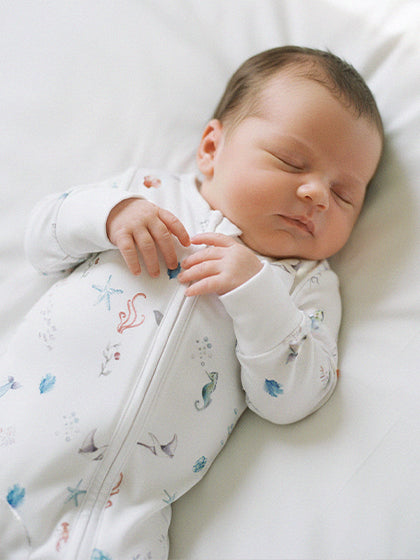
This is exactly why establishing consistent newborn sleep routines early on is vital. A predictable, calming wind-down routine, such as a warm bath, a gentle massage, a feeding, and zipping them into a cozy sleep sack, cues your baby's brain that it is time to transition from the stimulation of the day to the restfulness of the night, making those constant sleep cycle transitions much smoother.
2. The Golden Rules of Safe Baby Sleep
When it comes to your infant, safety is always the absolute top priority. The American Academy of Pediatrics (AAP) has established clear, evidence-based guidelines to help avoid the risk of SIDS (Sudden Infant Death Syndrome) and SUID (Sudden Unexpected Infant Death).
The foundation of safe baby sleep relies on the simple ABCs:
-
Alone: Babies should sleep in their own sleep space, sharing a room but not a bed with parents.
-
Back: Babies should always be placed on their backs for every sleep until they are a year old.
-
Crib: The sleep surface should be firm and flat, covered only by a secure fitted sheet.
Crucially, the AAP mandates a bare crib. This means absolutely no loose blankets, no pillows, no crib bumpers, and no plush toys. But how do you keep your baby comfortably warm without a traditional blanket? That is where wearable blankets and specialized swaddles step in, providing necessary warmth and comfort without the suffocation hazards associated with loose bedding.

3. Swaddles & Comfort: What Science Says
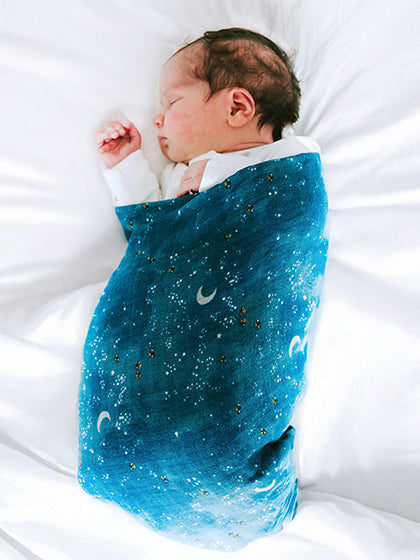
For nine months, your baby was securely nestled in the tight, warm, and comforting environment of the womb. Entering the world is a massive sensory overload. Science shows that swaddling is highly effective because it replicates the snug, secure feeling of the “womb.” By gently wrapping a baby, you provide deep pressure stimulation that calms their nervous system.
Furthermore, swaddling suppresses the Moro reflex. This natural startle reflex, in which a baby suddenly throws their arms out and gasps, is a primal survival instinct, but it often jolts infants out of their precious sleep. A secure swaddle prevents their arms from flailing, allowing them to stay asleep longer.
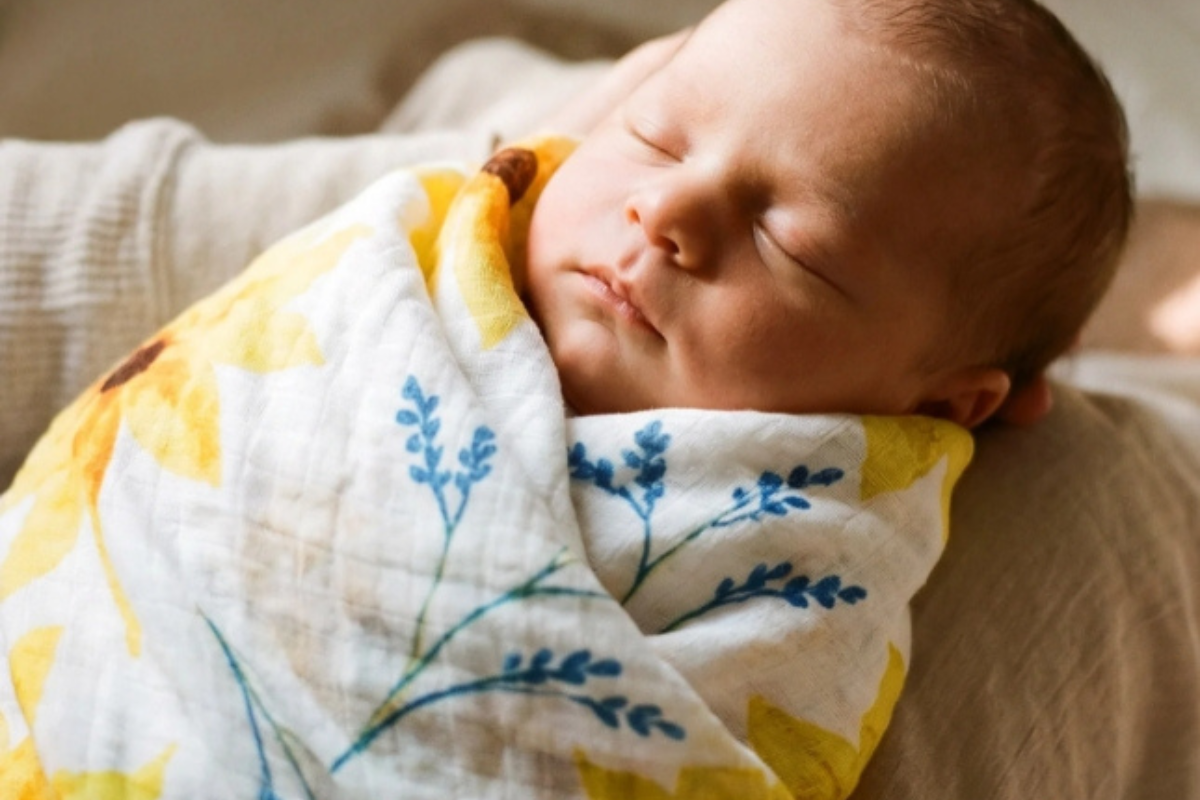
However, when wrapping your baby, the fabric you choose matters immensely. A baby's skin is incredibly delicate and absorbs what it touches. Malabar Baby offers beautiful, chemical-free, and breathable swaddles designed with both safety and comfort in mind:
-
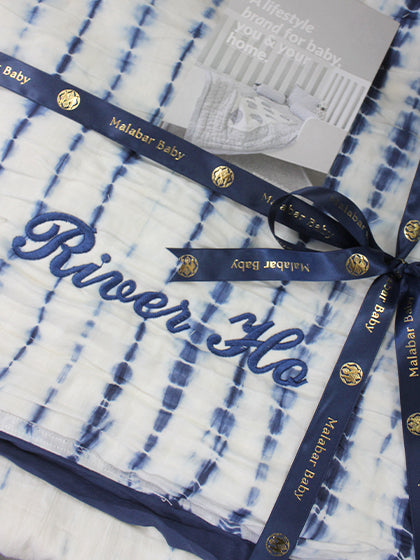
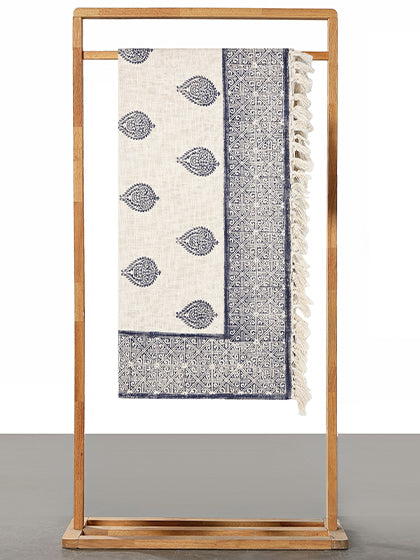
Organic Swaddle: Made from GOTS-certified cotton threads, this luxuriously soft organic muslin swaddle gets softer after every single wash! It is lightweight, highly breathable, and utilizes chemical-free dyes, making it perfect for sensitive skin. Sized at a versatile L47” x W47”, it is ideal for snuggle time at home or on the go.
-
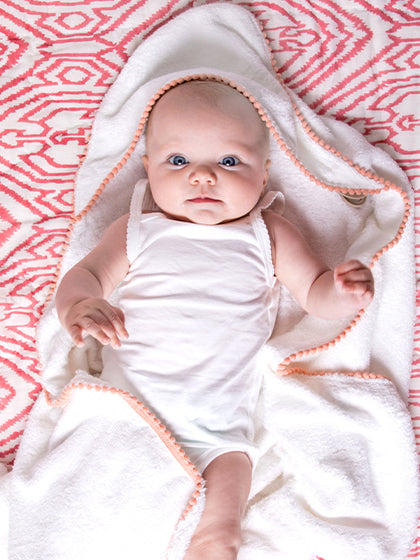
Bamboo Pom Pom Swaddle: For an incredibly soft and silky texture, our Bamboo + Cotton blended swaddle (70% bamboo & 30% cotton) is unparalleled. Bamboo is naturally anti-bacterial, features a breathable fabric, and uses chemical-free dyes. Accented with a charming pom pom trim, this 47” x 47” swaddle makes the perfect gift for any little one from newborn to 3 years old!

4. The Big Transition: Swaddle to Sleep Sack Tips
Eventually, usually around 8 to 12 weeks of age, your baby will begin showing signs of rolling over. Once a baby can roll, swaddling is no longer safe, and it is time to transition to a wearable sleep sack with their arms out. This transition can feel intimidating, but we have expert baby sleep tips directly from Rinie (Yawn to Dawn), Malabar Baby's pediatric sleep consultant ambassador:
Tip #1: Choose Your Transition Method
You can either transition your baby out of the swaddle gradually or make a cold-turkey switch to the sleep sack. For a gradual transition, swaddle your baby with one arm out for 2 nights. Then, in the next 2 nights, swaddle only around the chest with both arms out. Lastly, remove the swaddle entirely and put them in a wearable sleep sack for sleep time. Rinie notes: "I'm a bigger fan of the cold turkey transition so that we can speed up the adjustment process. Whatever method you choose, stay consistent with it."
Tip #2: Navigate the Temporary Bumps
If your baby is used to being swaddled while sleeping, you can expect that for the first few days, they will have a tougher time falling asleep and have more night wakings. This is a difficult but completely temporary phase! To get their sleep back on track, consistently use the sleep sack for all naps and nights to help them build a positive association with it. Do a short wind-down routine before every nap and bedtime, and maintain a conducive sleep environment that is dark, cool, and quiet.

5. Meet the Ultimate Solution: Malabar Baby Sleep Sacks
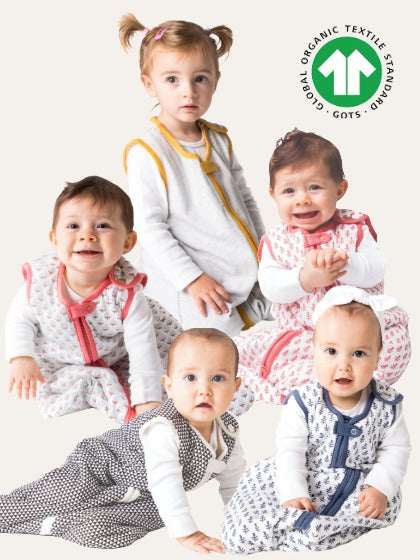
When you are ready to make the transition, Malabar Baby has curated the perfect solution. Proudly awarded the Parents' Pick 2024 and 2025 Award (as well as Best Family Health & Safety, Healthy Snacks, Nutrition & Fitness, and Natural & Green Products), our award-winning sleep sack is highly recommended by pediatric sleep consultants and parents worldwide.
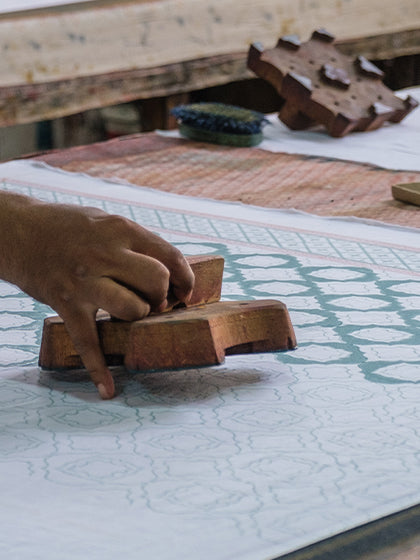
Designed to replicate the comforting feeling of being in the womb, our sleep sacks are handmade in India using 100% GOTS-certified organic, breathable cotton. They are hypoallergenic, crafted with non-toxic dyes, and made from premium Indian cotton that actually gets softer after every wash.
Unique Sleep Sack Features Designed for Parents:
-
Right Shoulder Snap: Makes placing a sleeping baby inside a breeze-no wrestling required!
-
Reversible Zipper: Silent, reversible, high-quality YKK zipper for easy middle-of-the-night diaper changes.
-
Middle Snap: Thoughtfully placed to protect your baby's delicate skin from the zipper.
-
Cocoon Shape: A comfy, wide bottom ensures healthy leg and hip movement.
-
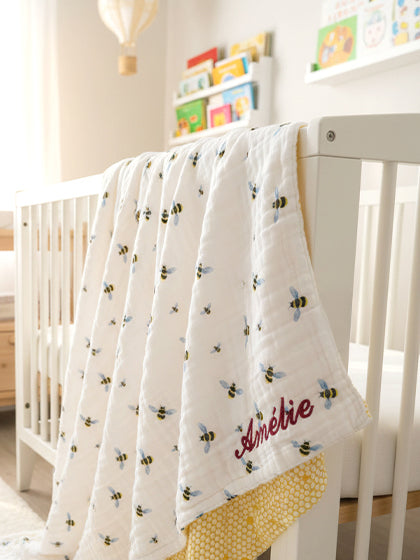
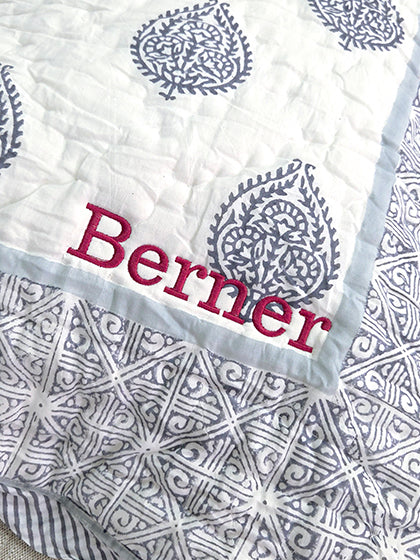
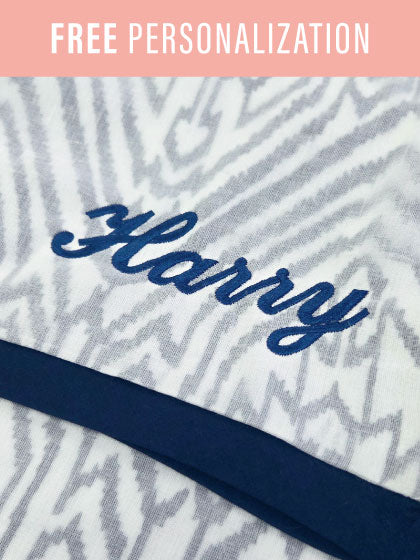
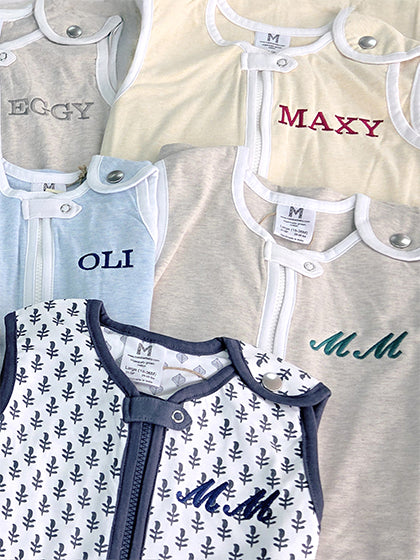
Personalization: Embroidery customization is available on all sleep sacks, allowing for personalized touches to make each sleep sack uniquely special!
-
Easy Care: Machine washable (inside out) and tumble dryer friendly.

6. How Organic Sleep Sacks Improve Infant Sleep Safety
You might be wondering: Does it really matter if a sleep sack is organic? The resounding answer from pediatric experts is yes. It comes down to two critical factors: temperature regulation and toxin exposure.
First, overheating is a known risk factor for SIDS. Synthetic fabrics (such as polyester fleece) can trap heat, causing a baby to sweat and disrupting their natural ability to regulate core temperature. Organic, natural fibers breathe. An organic cotton sleep sack allows air to circulate freely around your baby's body, keeping them comfortably warm without the danger of overheating.
Second, an infant's skin barrier is significantly thinner than an adult's, making them highly susceptible to absorbing chemicals from their environment. Standard cotton is often heavily treated with pesticides, and commercial fabrics are frequently dyed with harsh chemicals. Organic sleep sacks eliminate these risks. By choosing sleepwear made with chemical-free dyes and grown without toxic pesticides, you are actively protecting your baby's delicate skin, respiratory system, and overall health while they rest.

7. Choosing the Right TOG and Size
Malabar Baby offers two specialized types of sleep sacks to suit your climate. We've made things simple: choose your TOG based on your nursery's ambient temperature.
-
TOG 0.6 (LIGHTWEIGHT): Ideal for tropical climates or summer nights. Recommended room temp: 70-80°F / 21-27°C.
-
TOG 2.2 (QUILTED): Perfect for winter or AC-cooled rooms. Recommended room temp: 64-74°F / 17-23°C.

Safety Note: Always use a secure fitted sheet and ensure the sleep sack is properly sized so your baby's head cannot slip down through the neck hole.
Size Guide:
-
Small (0-6 months): Baby Weight: 7-18 lbs (3-8kg) | Baby Height: 22-33 in (56-84cm). (Not recommended for babies under 7 lbs / 3 kg)
-
Medium (6-18 months): Baby Weight: 16-26 lbs (7-12kg) | Baby Height: 33-39 in (81-99cm). (Not recommended for babies under 16 lbs / 7 kg)
-
Large (18-36 months): Baby Weight: 25-35 lbs (11-16kg) | Baby Height: 38-46 in (97-117cm). (Not recommended for babies under 25 lbs / 11 kg)
-
Extra Large (36-48 months): Baby Weight: 34-45 lbs (15-20kg) | Baby Height: 45-54 in (115-138cm). (Not recommended for babies under 34 lbs / 15 kg)
By understanding your baby's sleep stages and investing in high-quality, organic products that prioritize safety and comfort, you are setting the foundation for years of healthy rest.