






Winter looks different everywhere. For families in North America, winter means snowstorms, drafty windows, and central heating that never seems consistent. Across Europe, temperatures drop quickly, and many homes rely on radiators or intermittent heating. In parts of Asia, winter isn’t always defined by snow; sometimes it's chilly mornings, cold tile floors, or air-conditioned nights that feel like winter indoors. Meanwhile, parents in the Middle East experience desert nights that become surprisingly cold, especially for little ones.
Despite these differences, parents around the world share the same universal concern each winter: “Is my baby warm and safe while sleeping?”
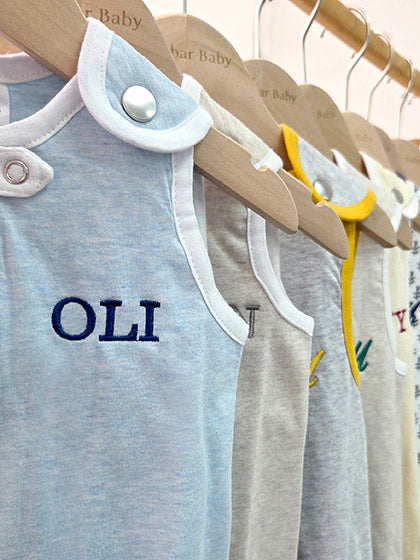
This global challenge is exactly why many families, from Hong Kong to Chicago to Dubai, turn to Malabar Baby sleep sacks. Designed with natural materials and all-season versatility, these sleep sacks offer a safe and cozy alternative to loose blankets, no matter where in the world you live.
The Global Struggle: Winter Baby Sleep in Different Climates
America & Canada:
Parents deal with unpredictable indoor temperatures. A home can feel warm at bedtime and freezing at 3 a.m. Sleep sacks help maintain a consistent layer of warmth even when the thermostat can’t.
Europe:
Homes in the UK, Germany, and Scandinavia often rely on radiators or limited heating hours. Many parents bundle up their babies in breathable yet insulating layers, exactly what Malabar Baby sleep sacks are designed for.
Asia:
Winter conditions vary widely across Asia. In tropical regions such as India and Southeast Asia, air conditioning is often used year-round, which can make indoor temperatures unexpectedly cold for infants at night. In contrast, winter in Japan and much of China brings freezing temperatures outdoors. In Japan, homes are typically kept very warm with heaters running, creating a sharp contrast between hot interiors and cold weather outside. Lightweight yet insulating sleep sacks help maintain a stable sleep temperature, preventing both overheating indoors and nighttime chills as temperatures fluctuate.
Middle East:
Even in warm regions, temperatures drop sharply at night. Parents want warmth without heavy blankets or synthetic fabrics that can trap heat.
Across all these environments, one solution stands out for parents who want warmth, safety, and breathability: A high-quality sleep sack designed for comfort.

Why Sleep Sacks Are a Global Parenting Essential
No matter the climate, parents face the same winter bedtime challenges:
1. Keeping baby warm without overheating
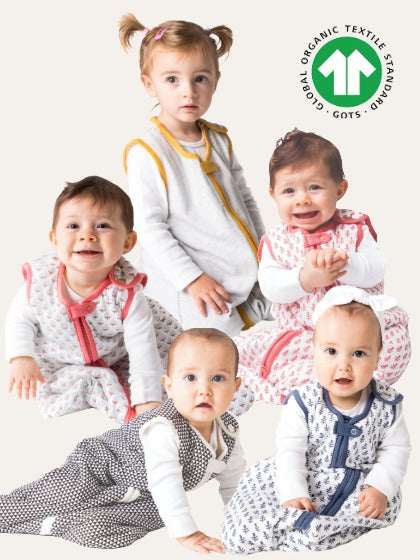
Loose blankets aren’t recommended for infants. Malabar Baby sleep sacks made from 100% GOTS-certified, breathable cotton help regulate temperature while preventing overheating and ensure a comfortable, safe sleep.
2. Maintaining consistent sleep temperature
Sudden temperature drops at night can wake a baby. A sleep sack helps prevent the “midnight chill” that could potentially disrupt sleep.
3. Ensuring safety
Sleep sacks eliminate the risks associated with blankets twisting, covering the face, or being kicked off.
4. Creating familiar sleep routines across travel
Whether visiting grandparents in another country, staying in a hotel, or facing a different climate, a sleep sack creates a consistent sleep environment for the baby.
This is where Malabar Baby elevates the winter sleep experience for families everywhere.

What Makes Malabar Baby Sleep Sacks Perfect for Global Winters?
1. Natural Materials That Work in Every Climate
Many winter sleep sacks are heavy, synthetic, and too warm for babies living in milder climates. Malabar Baby takes a different approach:
-
Organic, breathable cotton
-
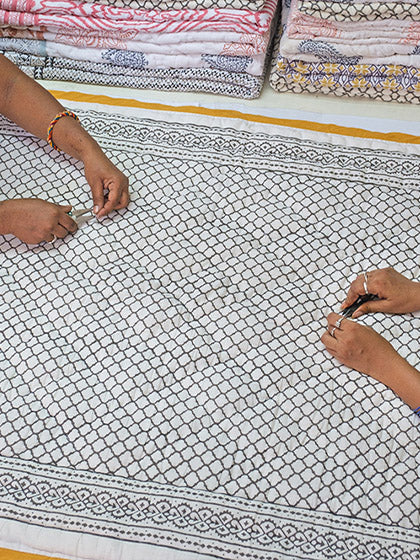
Hand-quilted layers that provide natural warmth
-
Hypoallergenic filling
-
Lightweight but insulating design
This ensures babies stay warm without overheating, something crucial for all parents, especially in Asia or the Middle East, where climates can fluctuate widely.
2. Safe Design Trusted by Parents Everywhere
Safety standards may vary worldwide, but parents universally prioritize these features:
-
No loose fabric
-
Secure shoulder snaps
-
2-way zipper for easy nighttime changes
-
Roomy leg area for kicking
-
Breathable insulation
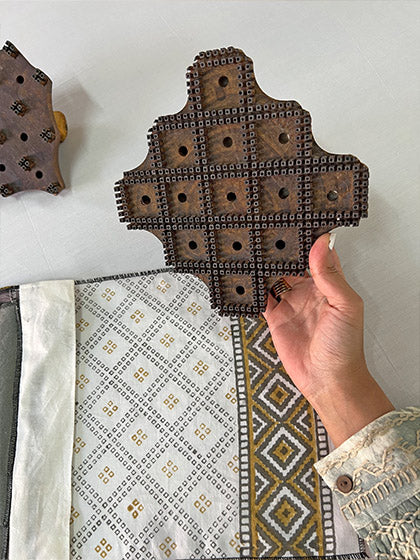
Malabar Baby delivers all of this with craftsmanship inspired by artisanal Indian textiles and global design sensibilities.

3. Easy to Use for Busy Parents
Whether you’re a working parent in New York, a first-time mom in Hong Kong, or living in a multi-generational household in Mumbai, simplicity, ease, and comfort matter.
Malabar Baby sleep sacks are designed for everyday convenience:
-
Quick diaper access
-
Durable, machine-washable construction
-
Long-lasting sizing
-
Softening with every wash
No complicated layers. No guesswork. Just reliable warmth and ease
How to Choose the Right Sleep Sack for Your Region
✔ Consider your home’s overnight temperature
Not just the outdoor weather.
✔ Use natural fabrics for breathability
Especially important in humid or AC-driven environments.
✔ Choose a size your baby won’t “sink” into
But still roomy enough to grow into.
✔ Layer clothing beneath based on the climate
Thermals for Canada, light pajamas for Southeast Asia.
✔ Pick quilted or medium-weight sacks for winter
Malabar Baby’s sleep sacks are ideal because they offer warmth without bulk.
A Sleep Solution That Connects Parents Across the Globe
No matter where you are in the world, the nighttime routine often feels the same:
Checking room temperature, adding layers, adjusting blankets, worrying if your baby is too cold or too warm.
This universal concern ties parents together, from Asia to America, Europe to the Middle East, and it’s why Malabar Baby sleep sacks resonate on a global scale.
With their natural materials, thoughtful insulation, cultural craftsmanship, and adaptability across climates, Malabar Baby offers something every parent seeks:
Warmth without worry. Comfort without complexity. Safety without compromise.
As winter arrives in its unique way wherever you live, a Malabar Baby sleep sack becomes more than just a sleeping essential. It becomes a trusted companion in your family’s nightly routine.